
Buying a cooling mattress and still waking up warm is one of the more frustrating experiences a hot sleeper can run into. It’s easy to assume the mattress simply isn’t working as advertised, but in a lot of cases the mattress is doing exactly what it’s supposed to, while everything surrounding it is quietly working against it. Bedding, room temperature, and a handful of overlooked habits can undo a surprising amount of cooling performance before the mattress even gets a fair shot.
Before assuming a return or exchange is necessary, it’s worth working through the more common culprits first. Most of them are easy to fix, and several have nothing to do with the mattress itself.
Heavy Bedding Can Undo Even Strong Cooling Technology
A genuinely well-built cooling mattress can still feel warm if it’s paired with a heavy comforter or thick synthetic blankets that trap heat regardless of what’s happening at the mattress level. Bedding sits directly between your body and the mattress surface, which means it has just as much influence on how warm you feel as the mattress construction underneath it.
Switching to lighter, breathable bedding made from natural fibers like cotton or linen tends to make a noticeable difference on its own, sometimes more than people expect given how much attention usually goes toward the mattress instead.
Sheet Material Matters More Than Most People Realize
Synthetic sheets, particularly cheaper polyester or microfiber blends, trap heat and moisture close to the skin in a way that undermines even the most advanced cooling mattress cover underneath them. This creates a strange situation where the mattress itself is doing its job, absorbing and dispersing heat, while the sheets on top are actively working against that effort.
Cotton percale, linen, and other naturally breathable fabrics allow more airflow between the body and the mattress surface, letting the cooling technology built into the mattress actually reach the skin rather than getting blocked by a heat-trapping layer above it.
A Non-Breathable Mattress Protector Is an Easy Mistake to Make
Mattress protectors are worth using, but not all of them are created equal when it comes to temperature. Cheaper waterproof protectors often use a vinyl or plastic barrier that seals in heat almost as effectively as it seals out spills, which can completely offset the benefit of a breathable, cooling mattress cover positioned directly underneath it.
Breathable, moisture-wicking protectors solve this without sacrificing the practical benefits of waterproofing, and switching to one is often one of the simplest fixes available for anyone convinced their cooling mattress isn’t performing as expected.
Room Temperature Sets a Ceiling on What Any Mattress Can Do
Even the most advanced cooling mattress has limits, and room temperature is one of the biggest factors determining whether those limits get tested every night. A bedroom that consistently runs above 72°F makes it significantly harder for any mattress, regardless of cooling technology, to keep pace with the ambient heat surrounding it.
Most sleep specialists recommend a bedroom temperature between 65-68°F for optimal rest, and getting closer to that range often resolves lingering warmth complaints that seemed, at first, like a mattress performance issue. Simple adjustments like running a fan, cracking a window overnight, or using blackout curtains to keep daytime heat from building up in the room can make more of a difference than people expect, particularly during warmer months when even a well-built cooling mattress has more heat to work against.
Pillows Are Frequently the Overlooked Piece of the Puzzle
The head and neck generate a surprising amount of heat overnight, and a warm pillow can undo much of the cooling benefit a mattress provides, since the sensation of overheating often registers most strongly around the head and upper body. Traditional memory foam pillows, in particular, tend to trap heat in the same way older mattress foam once did.
Pairing a cooling mattress with a breathable, gel-infused pillow addresses this directly, closing a gap that’s easy to overlook when all the attention goes toward the mattress itself.
Sleepwear Choices Play a Small but Real Role
Heavy or synthetic pajamas add another layer working against a cooling mattress, particularly for anyone already prone to running warm. Lightweight, breathable sleepwear made from natural fibers allows better airflow directly against the skin, complementing whatever cooling technology exists in the mattress and bedding above it. If a best cooling mattress still feels consistently warm after addressing all of these factors over a full trial period, that’s a reasonable point to consider whether the specific model or firmness level is actually the right fit for your needs.
This is a minor factor compared to bedding and room temperature, but for people who’ve already addressed the bigger contributors and are still searching for incremental improvement, sleepwear is worth a second look.
Sharing a Bed Adds More Heat Than People Expect
Two people sleeping on the same mattress generate significantly more combined body heat than a solo sleeper would on the same surface, which means couples sometimes need to be more deliberate about bedding and room adjustments than the mattress’s cooling specs alone would suggest. A mattress that sleeps perfectly cool for one person can feel noticeably warmer once a second body is added to the equation, simply due to the additional heat output in a shared space.
This doesn’t mean the mattress is underperforming, it just means the math changes with two sleepers involved. Couples dealing with this should prioritize breathable bedding and a slightly cooler room setting even more than a solo hot sleeper would need to, since the mattress is working to offset heat from two sources rather than one.
Seasonal Changes Can Make a Cooling Mattress Feel Inconsistent
A cooling mattress that felt perfectly comfortable through the winter can suddenly feel less effective once summer humidity and higher ambient temperatures set in. This isn’t usually a sign of the mattress degrading, it’s simply that cooling materials have a practical limit to how much heat they can offset when the surrounding air is already warm and humid to begin with.
Running a fan, using a dehumidifier in particularly humid climates, or switching to lighter seasonal bedding during warmer months can help close this gap. Thinking of mattress cooling technology as one part of a seasonal system, rather than a fixed year-round solution, tends to set more realistic expectations for how performance shifts throughout the year.
Mattress Age Can Quietly Reduce Cooling Performance Over Time
Foam compresses gradually with regular use, and as it does, some of the ventilation channels and gel distribution that made a mattress sleep cool when new can become less effective. A cooling mattress that performed well in its first year but seems to be sleeping warmer now isn’t necessarily defective, it may simply be showing normal wear that’s beginning to affect its original airflow and heat-dispersing structure.
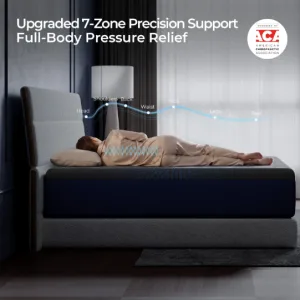
The CoolNest Pro Memory Foam Mattress is built to perform well even when paired thoughtfully with the right bedding setup. It layers a breathable ice-silk cover over perforated, gel-infused foam and temperature-responsive material designed to manage heat throughout the night rather than at just one stage of sleep. Its zoned support helps reduce the localized pressure that can concentrate heat in certain areas, and it’s backed by a 100-night trial and a 10-year warranty, giving sleepers enough time to dial in the right bedding combination and confirm the cooling performance holds up over the long term.
Final Thoughts
A cooling mattress that still feels warm is rarely a sign that the mattress has failed outright. More often, it’s a sign that something in the surrounding setup, heavy bedding, a non-breathable protector, a warm bedroom, or an overlooked pillow, is working against it. Addressing these factors first, before assuming the mattress itself is the problem, tends to resolve most lingering warmth complaints without requiring a return or exchange at all.
For anyone who’s worked through this checklist and still isn’t seeing results, taking a closer look at the mattress’s actual cooling construction, rather than assuming the word cooling alone guarantees performance, is the next reasonable step.